An evolutionary virologist at the Systems Virology lab of the University of Tokyo.
I study the arms race evolution between viruses and host immune responses and how this process
can explain when viruses spill over into new species.
From June 2026 I will be leading the Antigen Evolution & Design laboratory at Institut Pasteur, where we
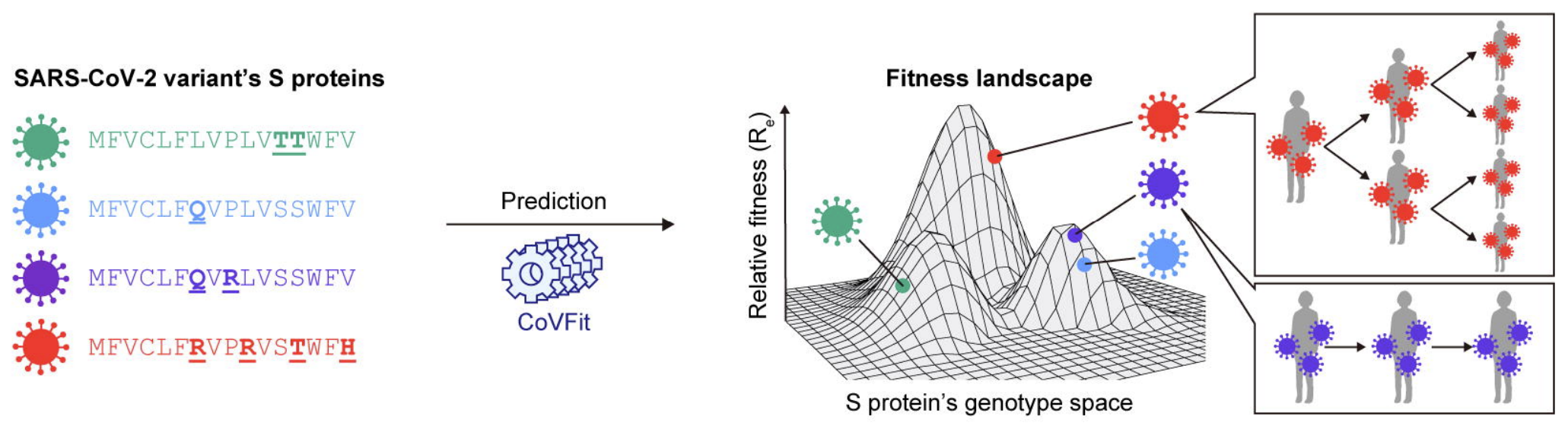
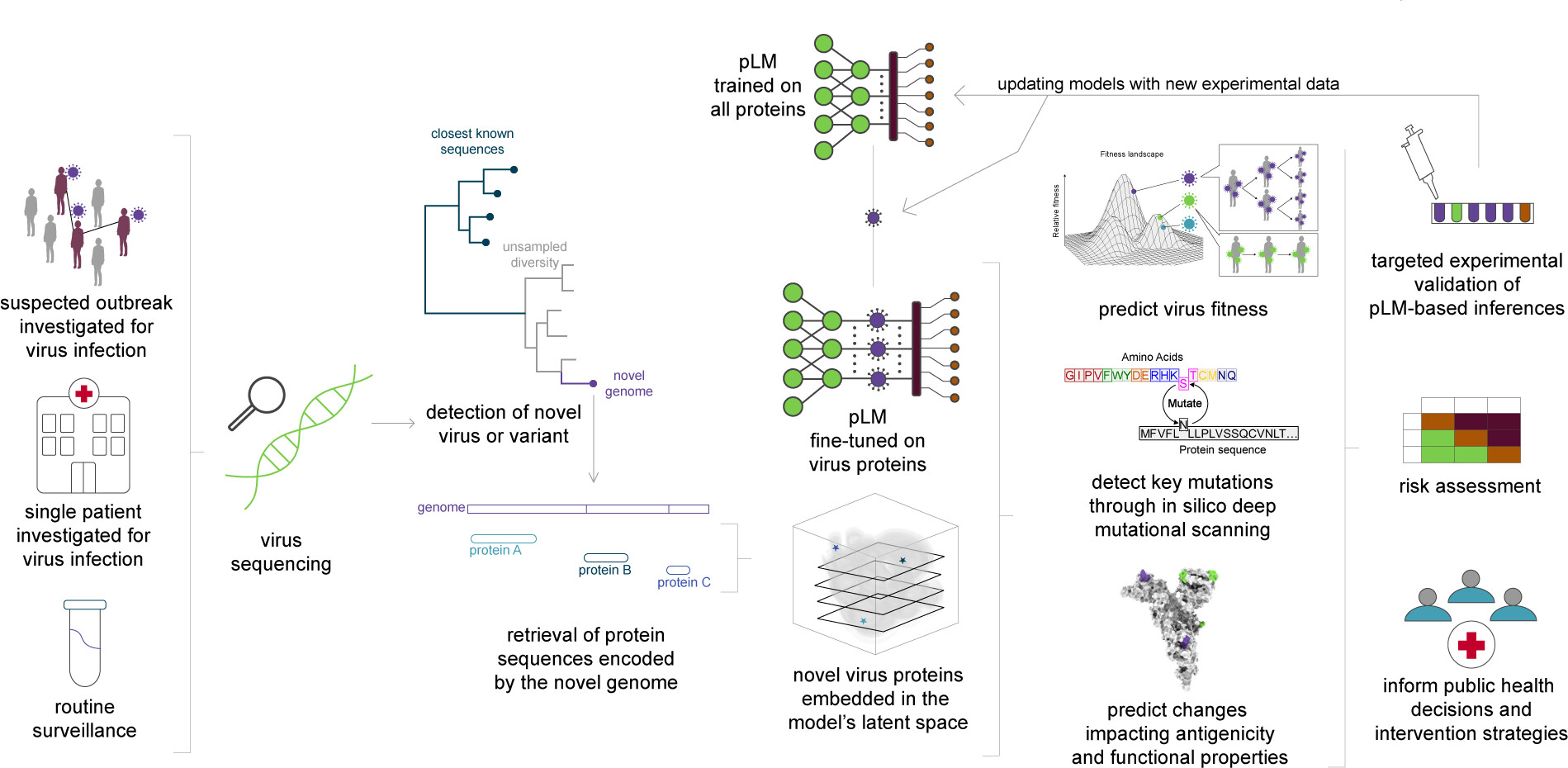
will use AI-based approaches to better understand the evolutionary properties of pathogen antigen proteins.

NAR Genomics & Bioinformatics, 2026
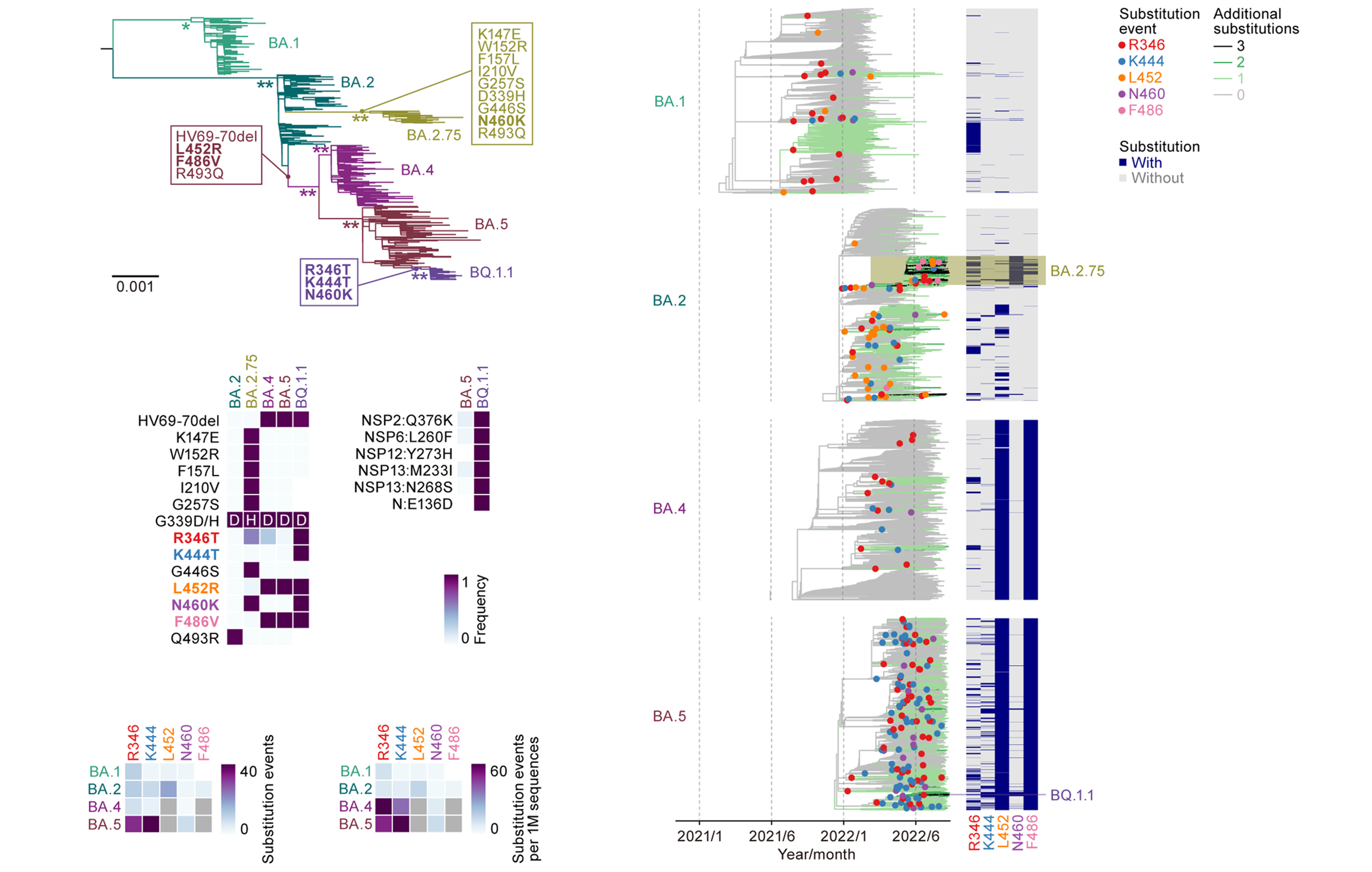
Molecular Systems Biology, 2025
Cell Host & Microbe, 2025
Nature Communications, 2023
Genome Biology and Evolution, 2022
Virus Evolution, 2021
The Lancet Infectious Diseases, 2024
Molecular Biology and Evolution, 2022
Molecular Biology and Evolution, 2020
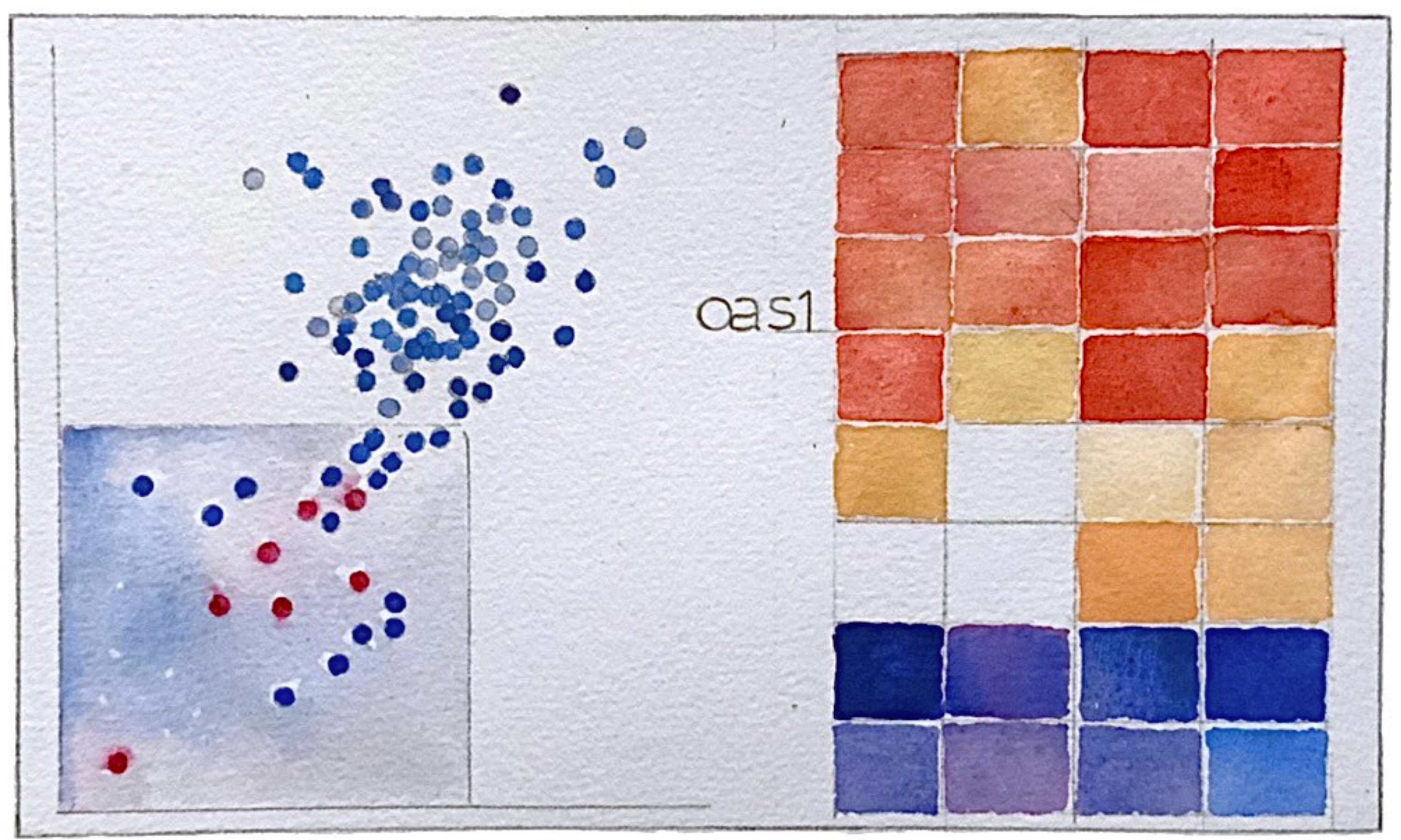
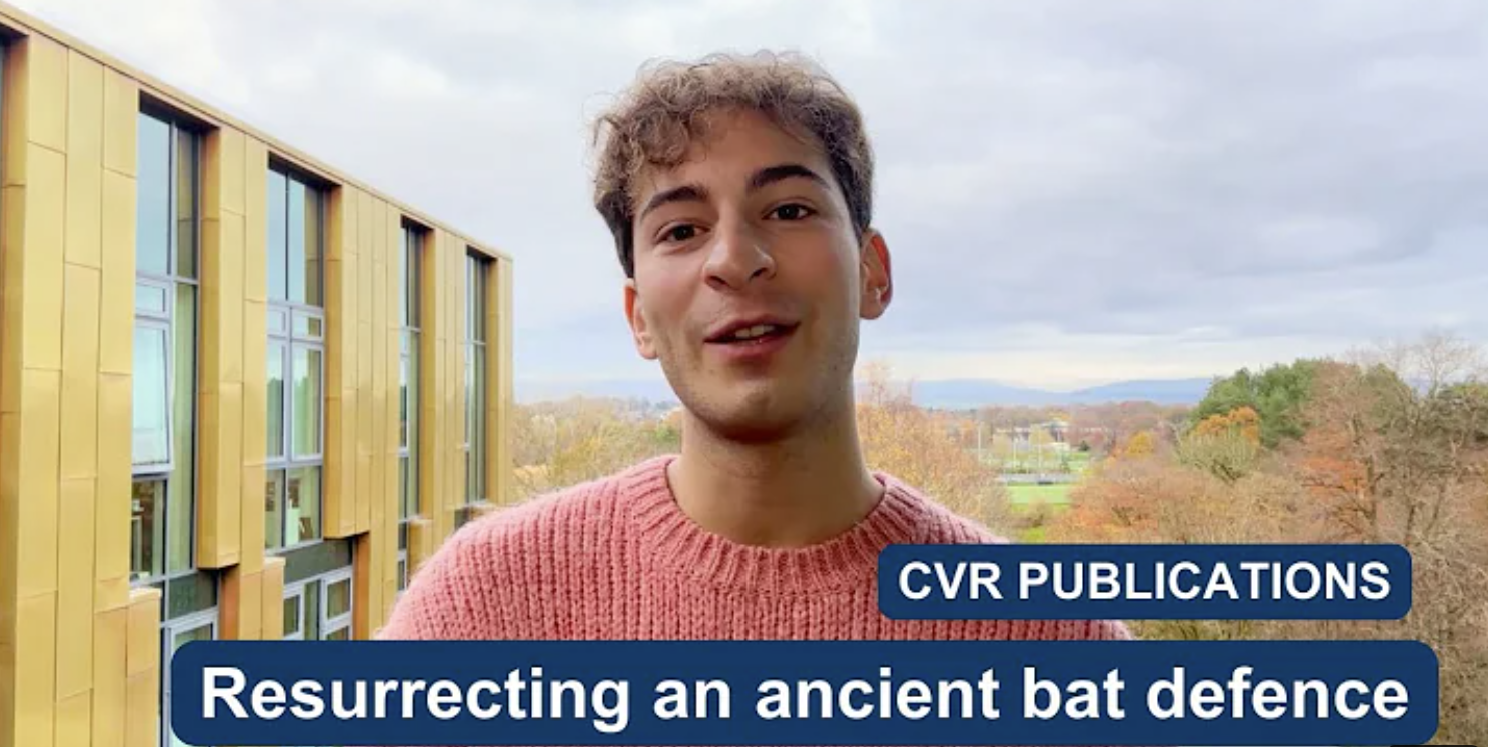
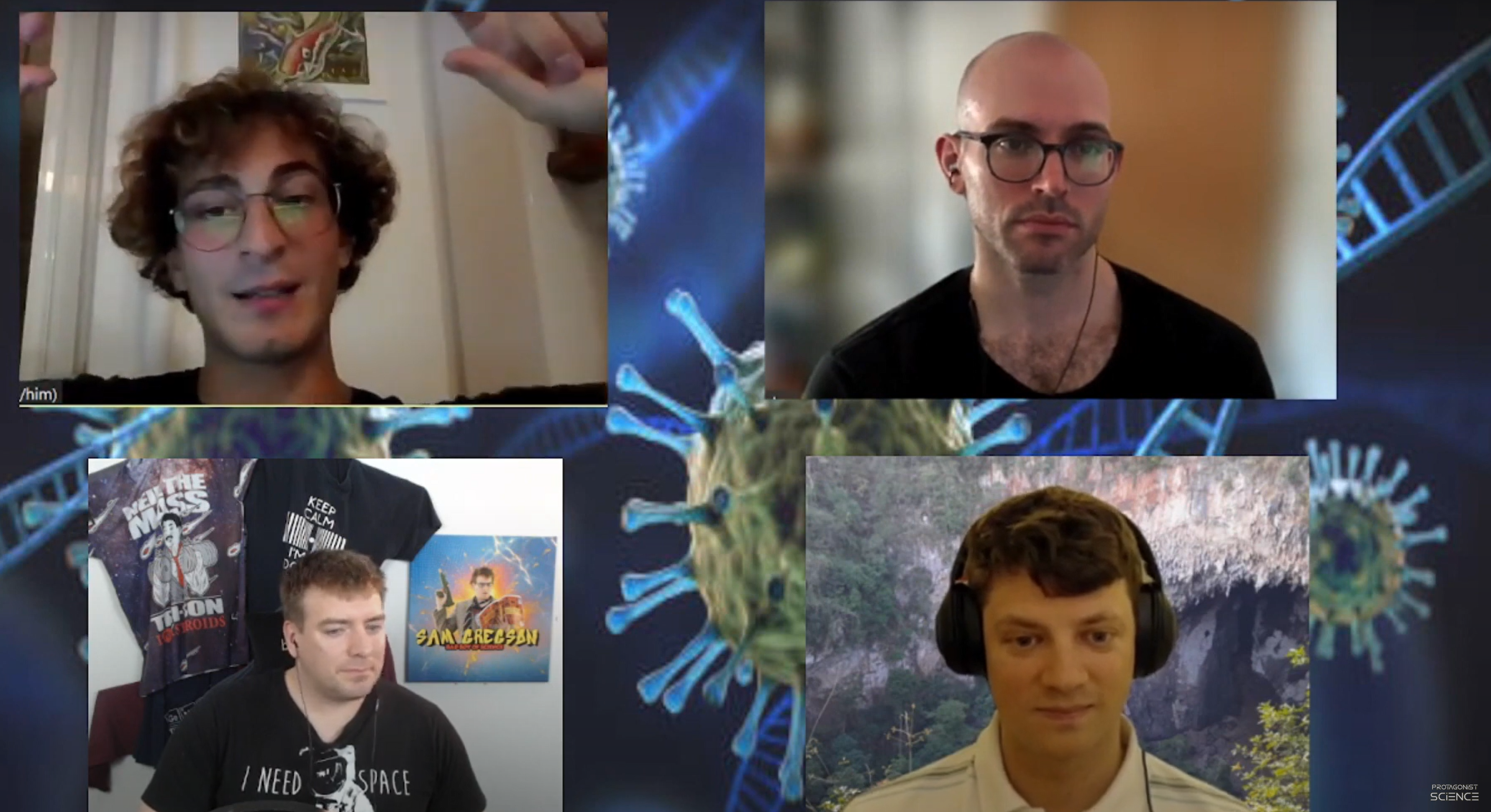
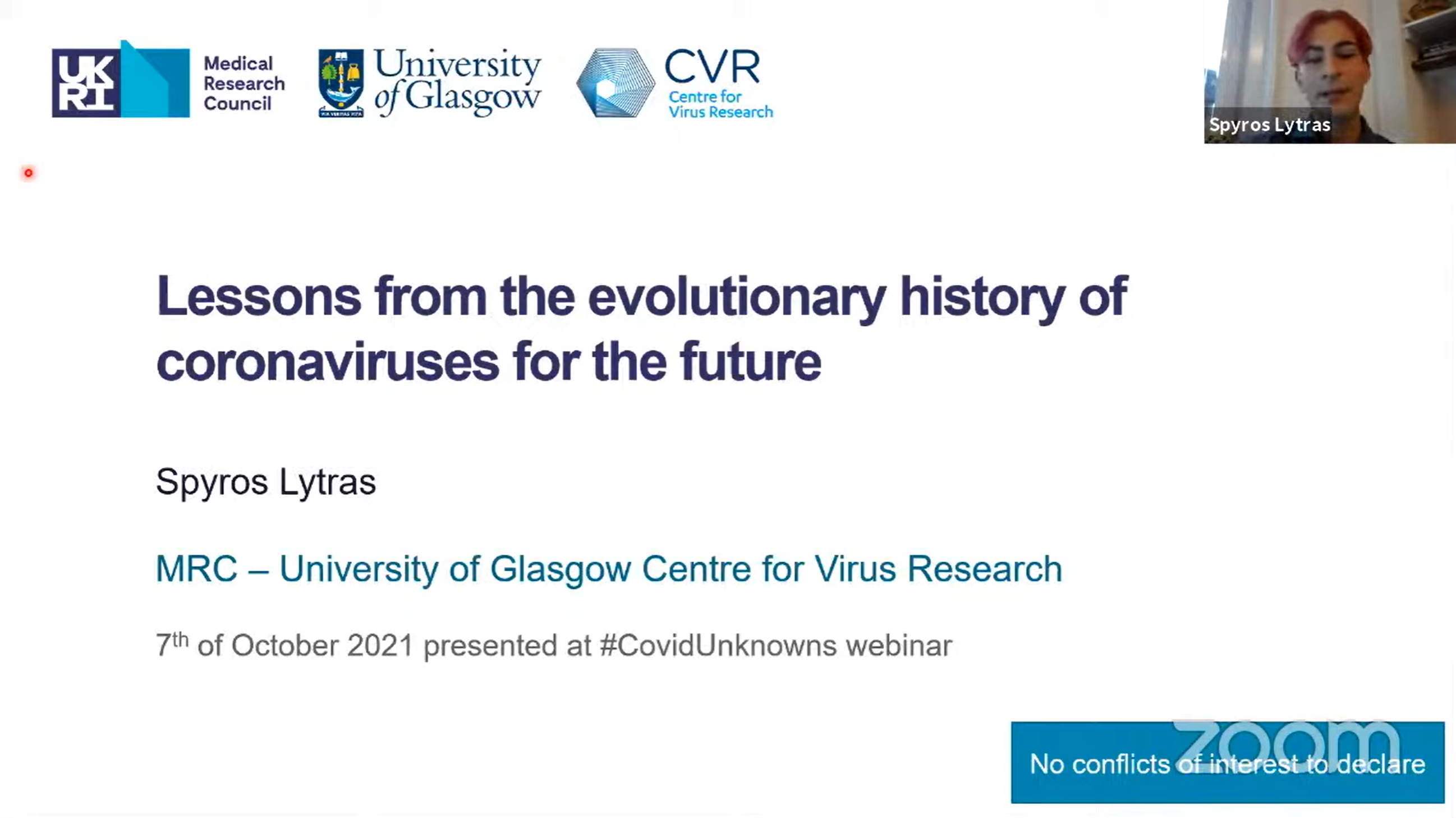
Exploring the molecular interplay between viruses and their reservoir hosts' immune systems can aid our understanding of how these viruses can potentially spill over into new hosts. Have a watch of the clip below where I explain our work on resurrecting an ancient bat defence against SARS-related coronaviruses
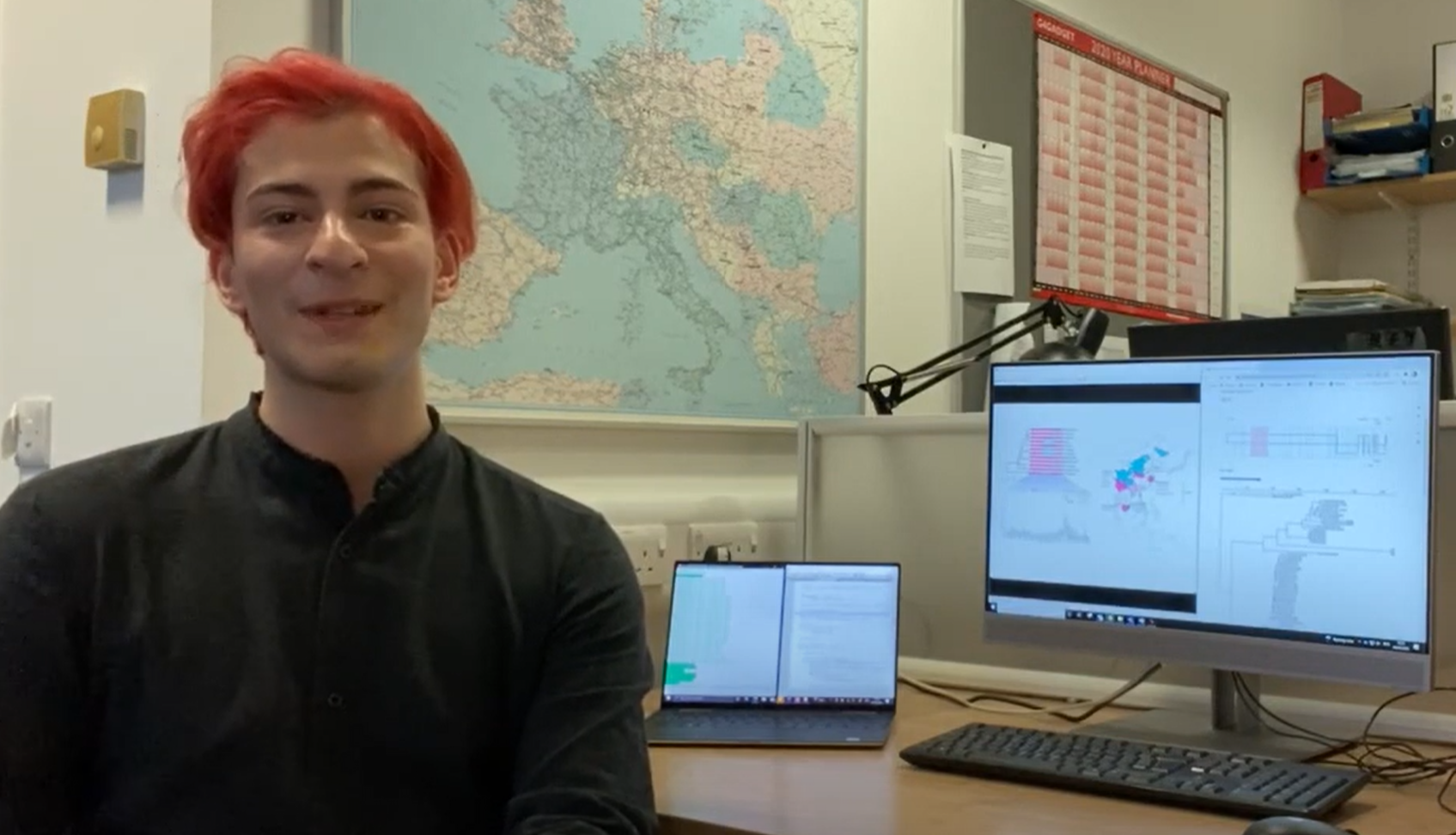
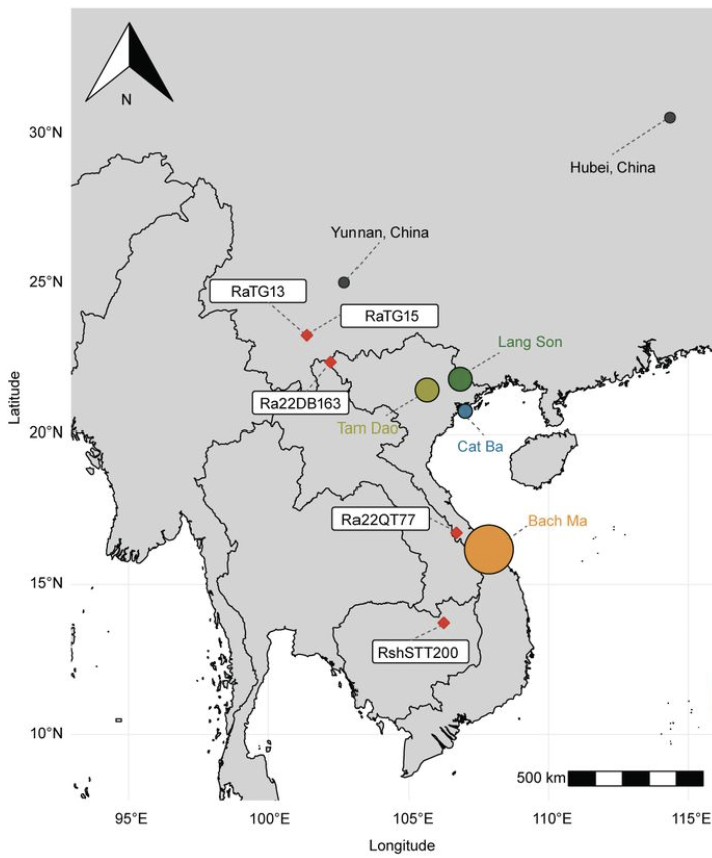
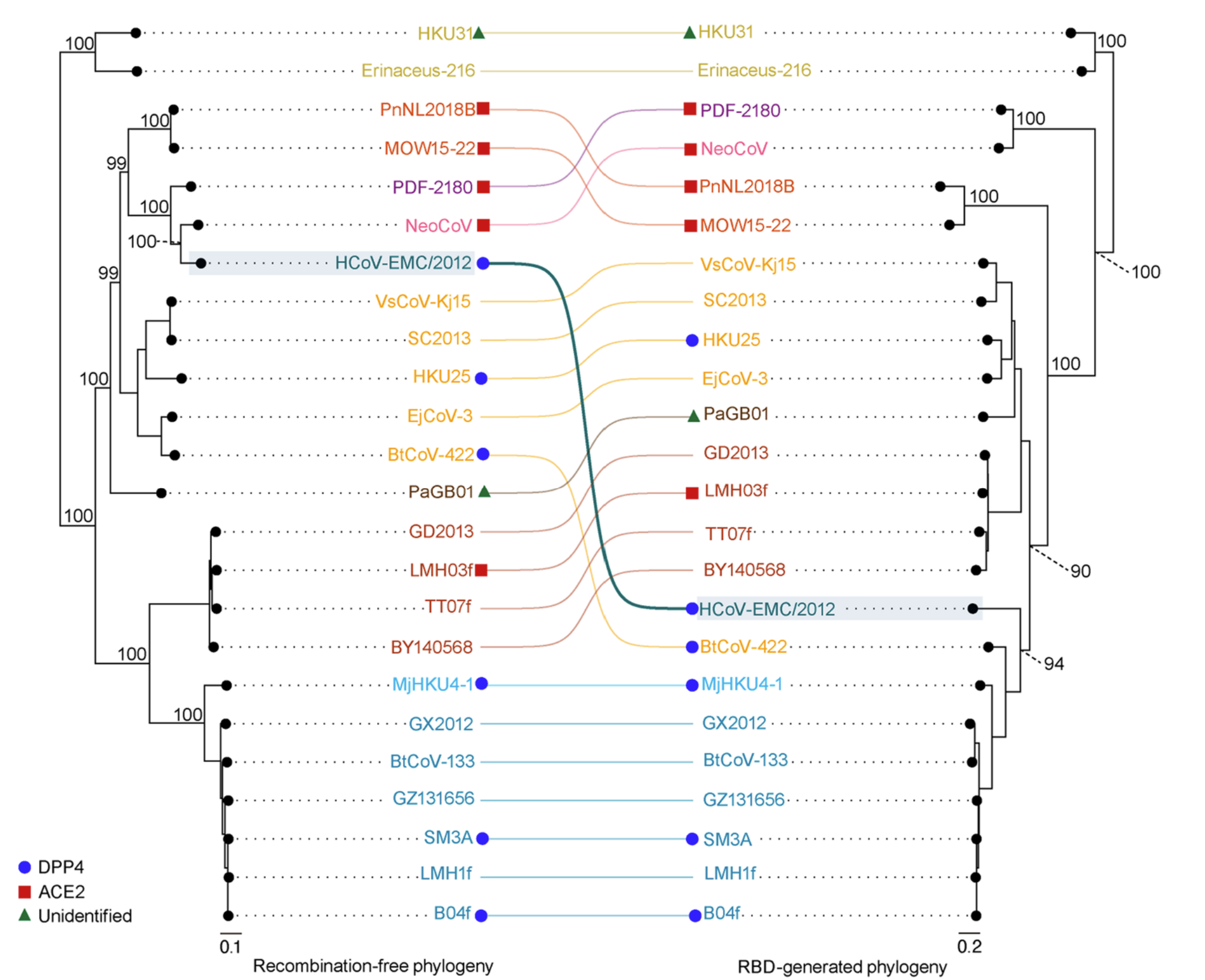
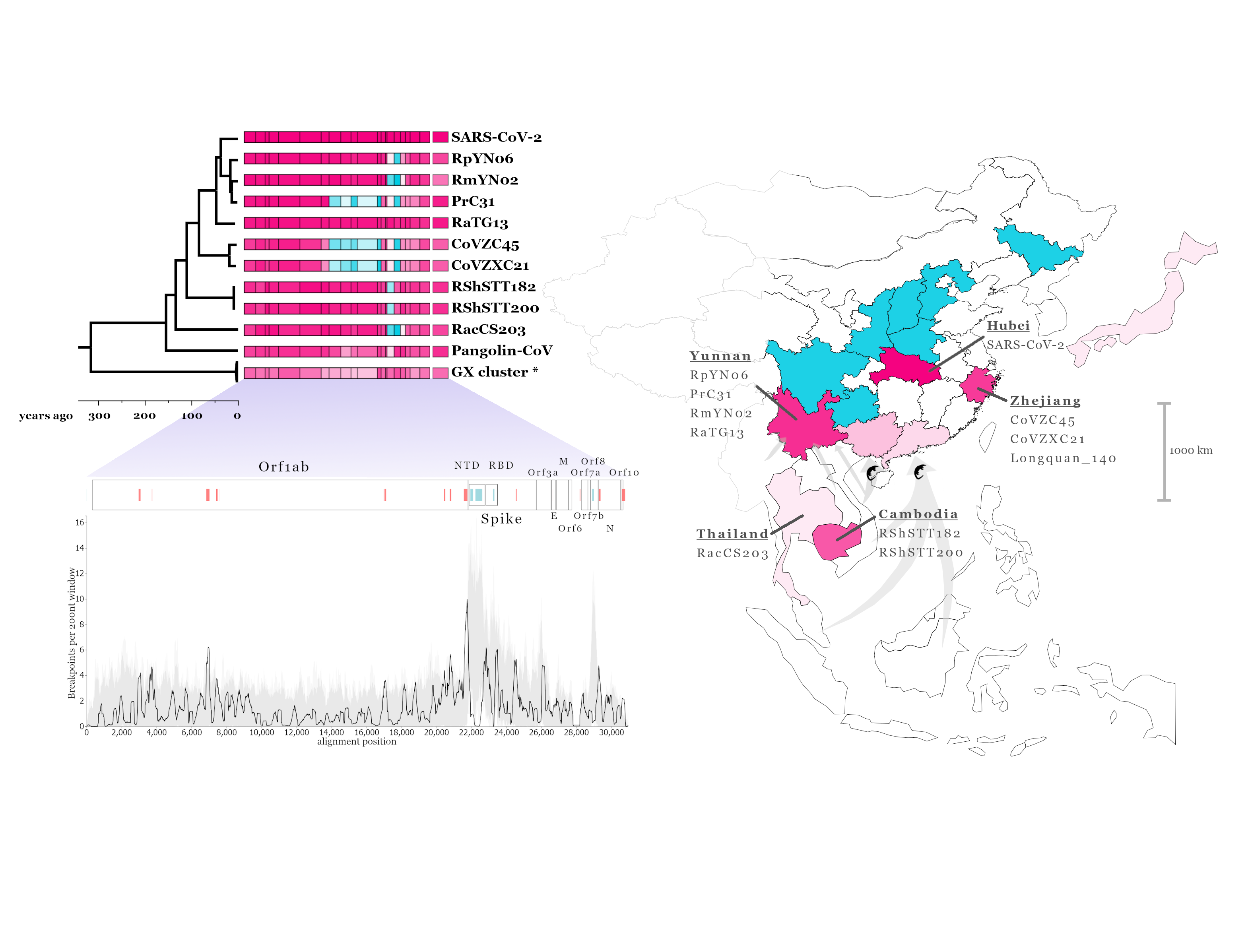
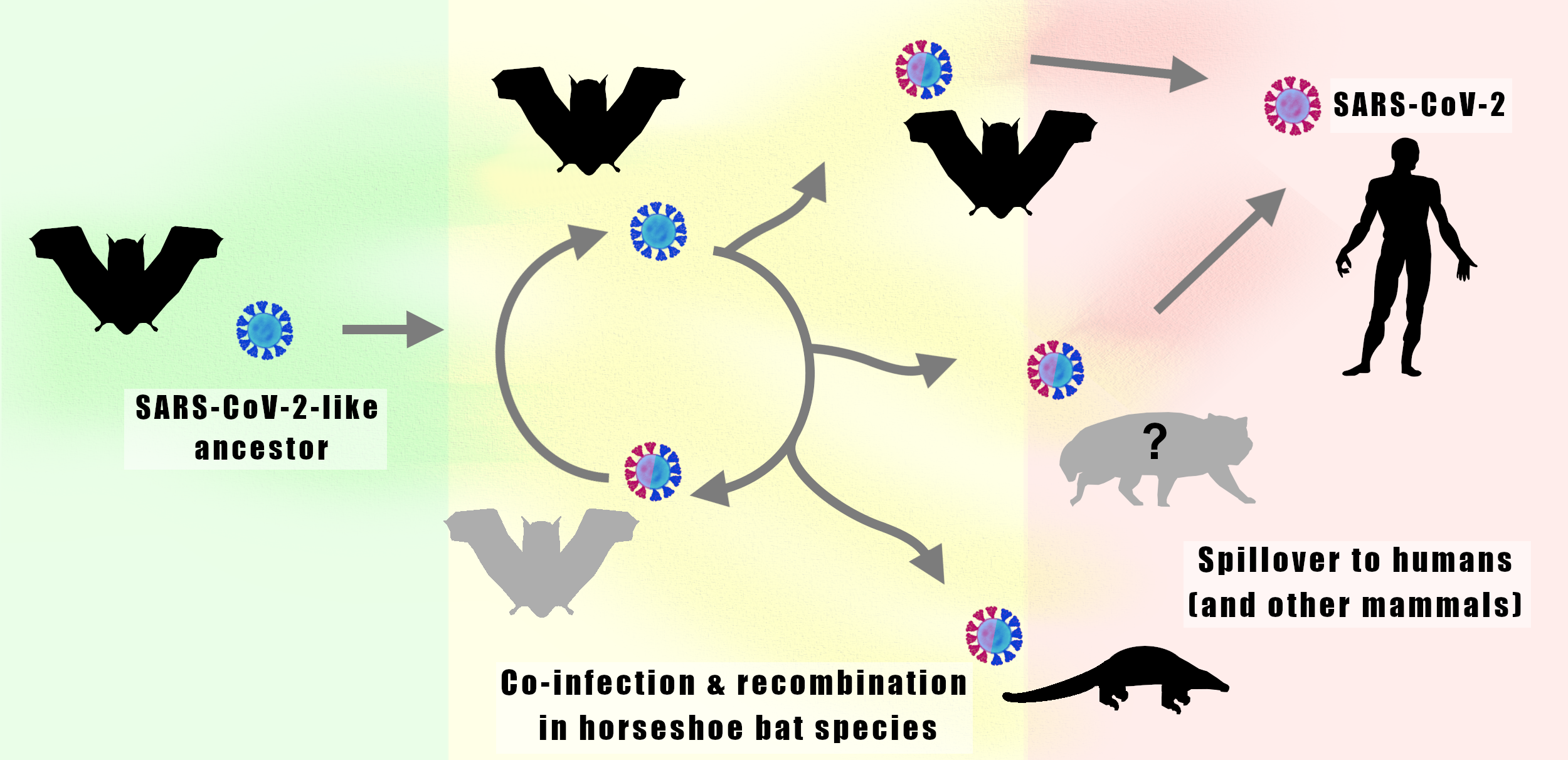
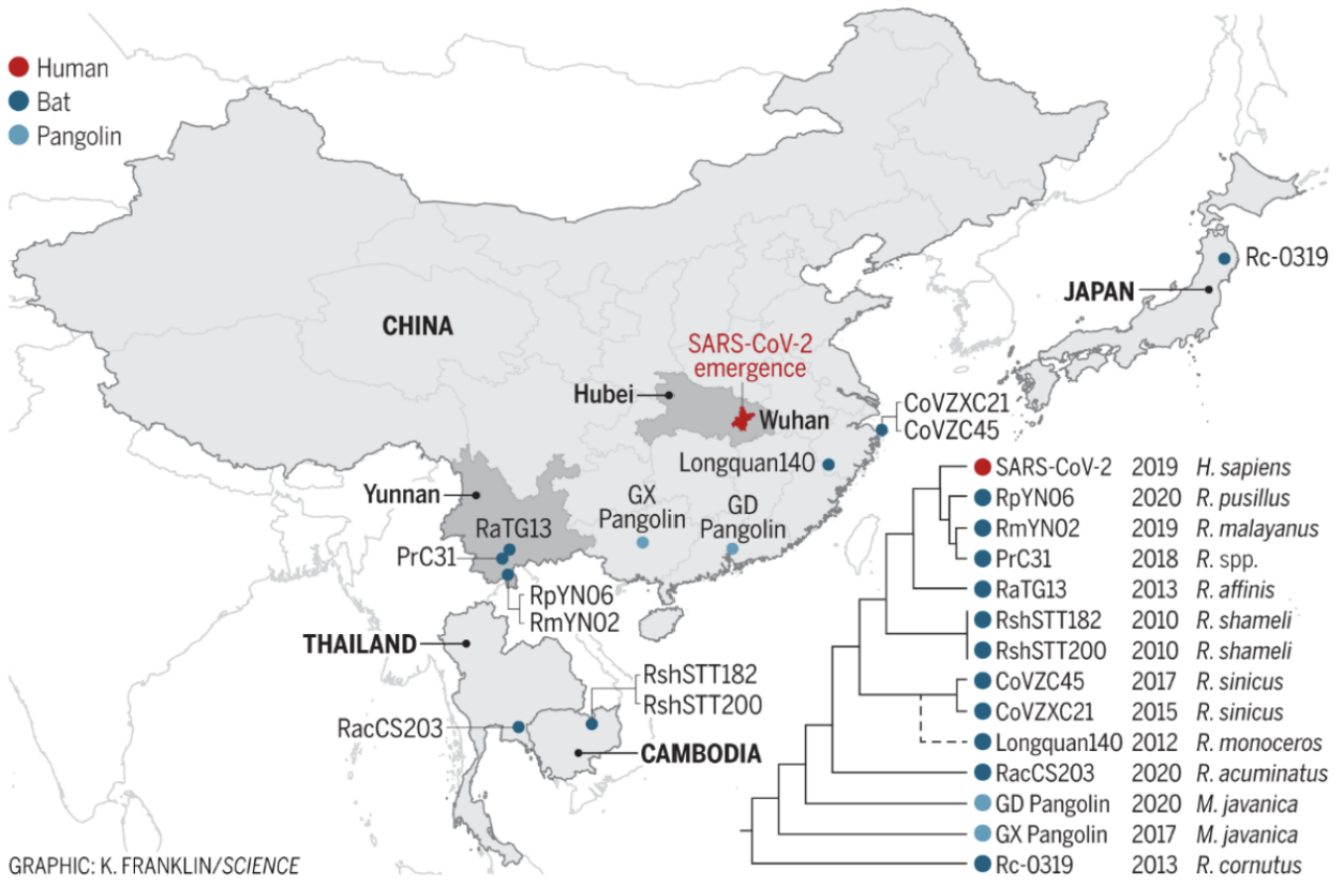
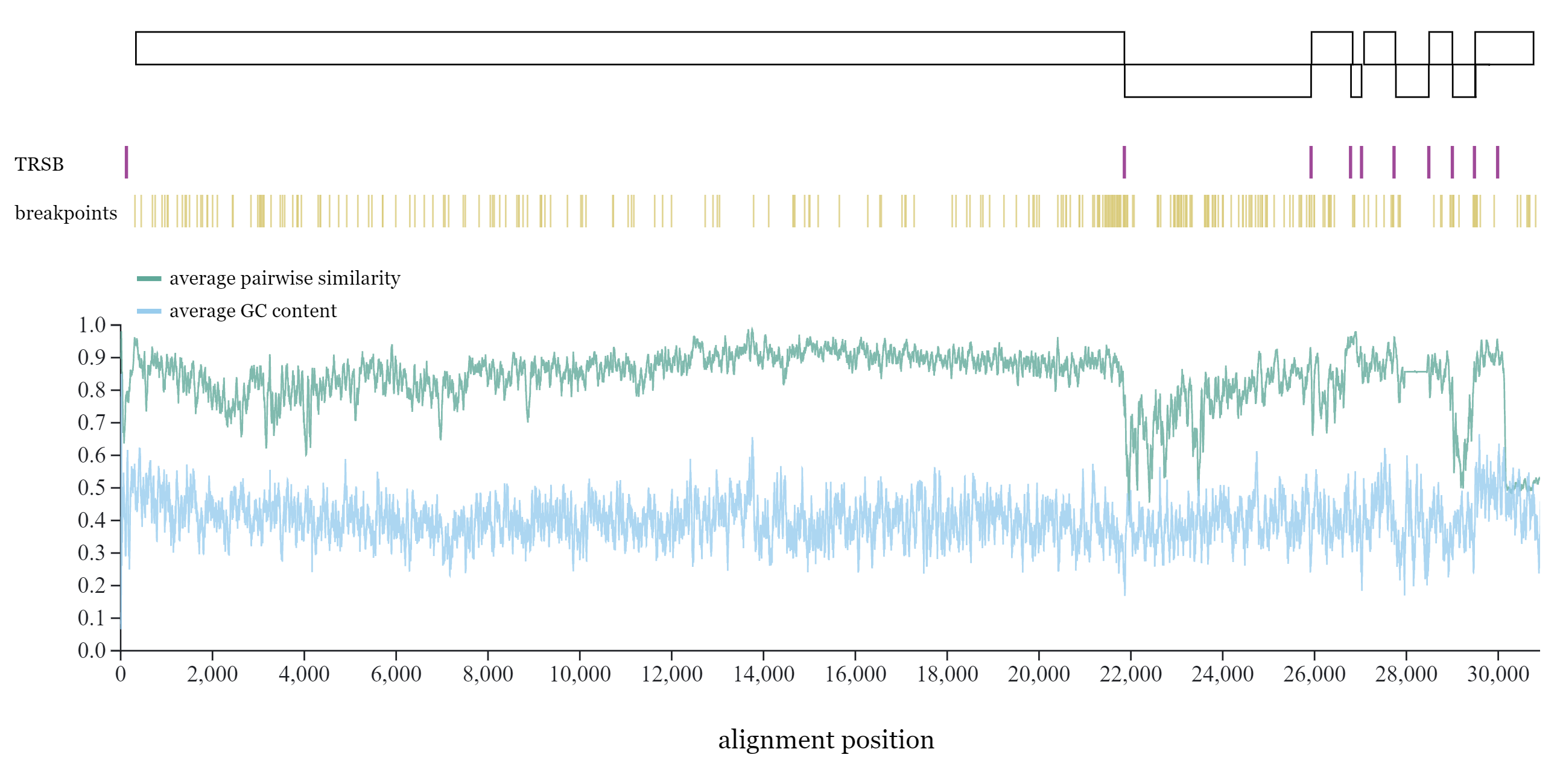
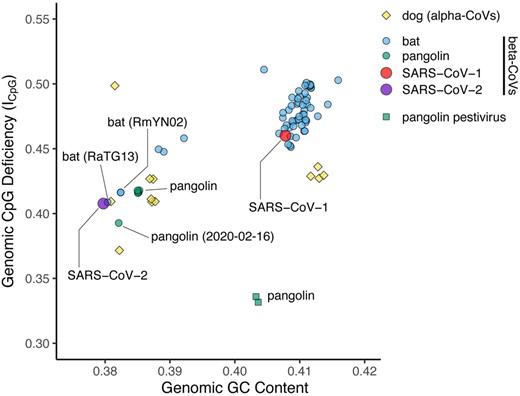
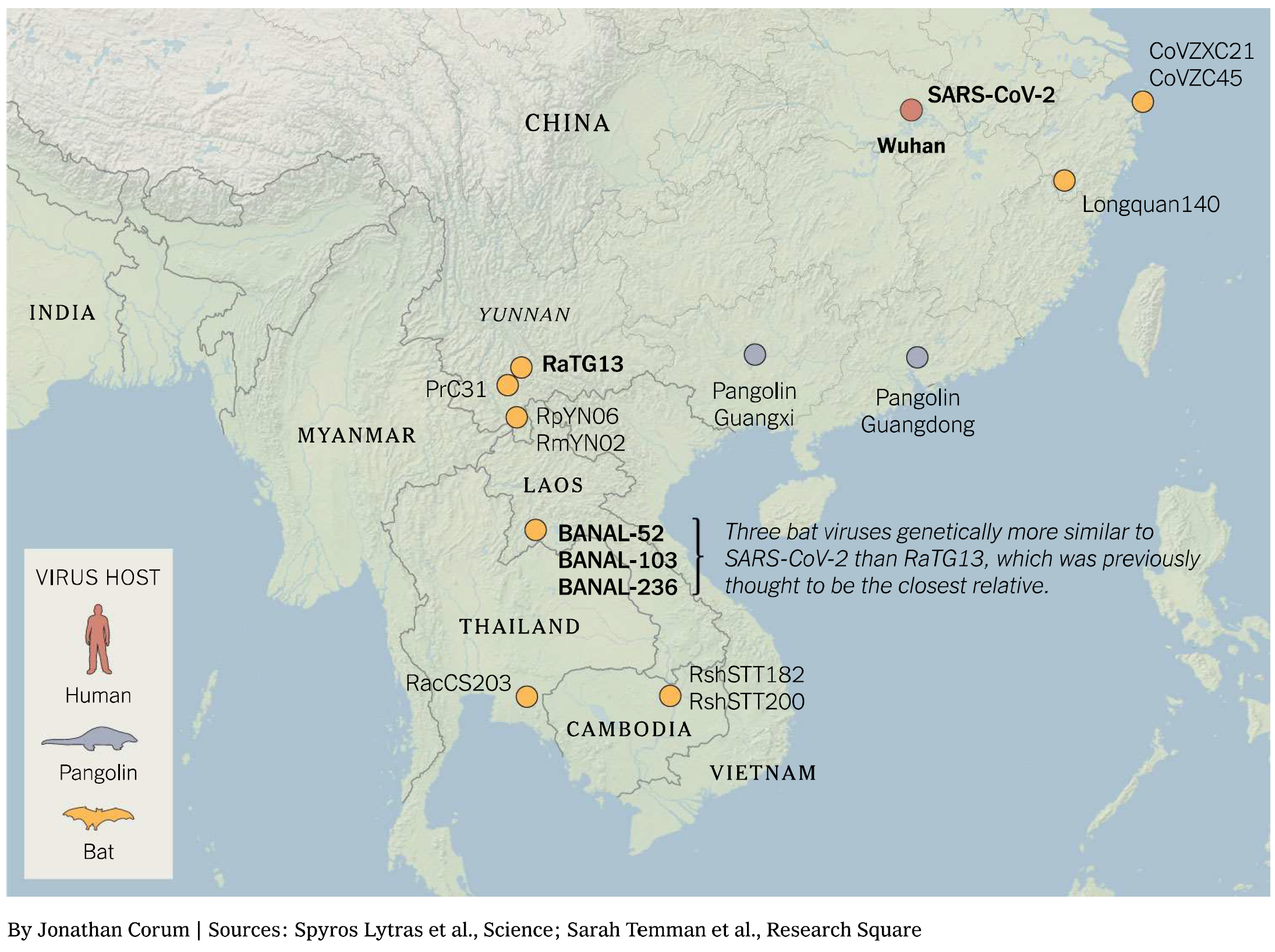
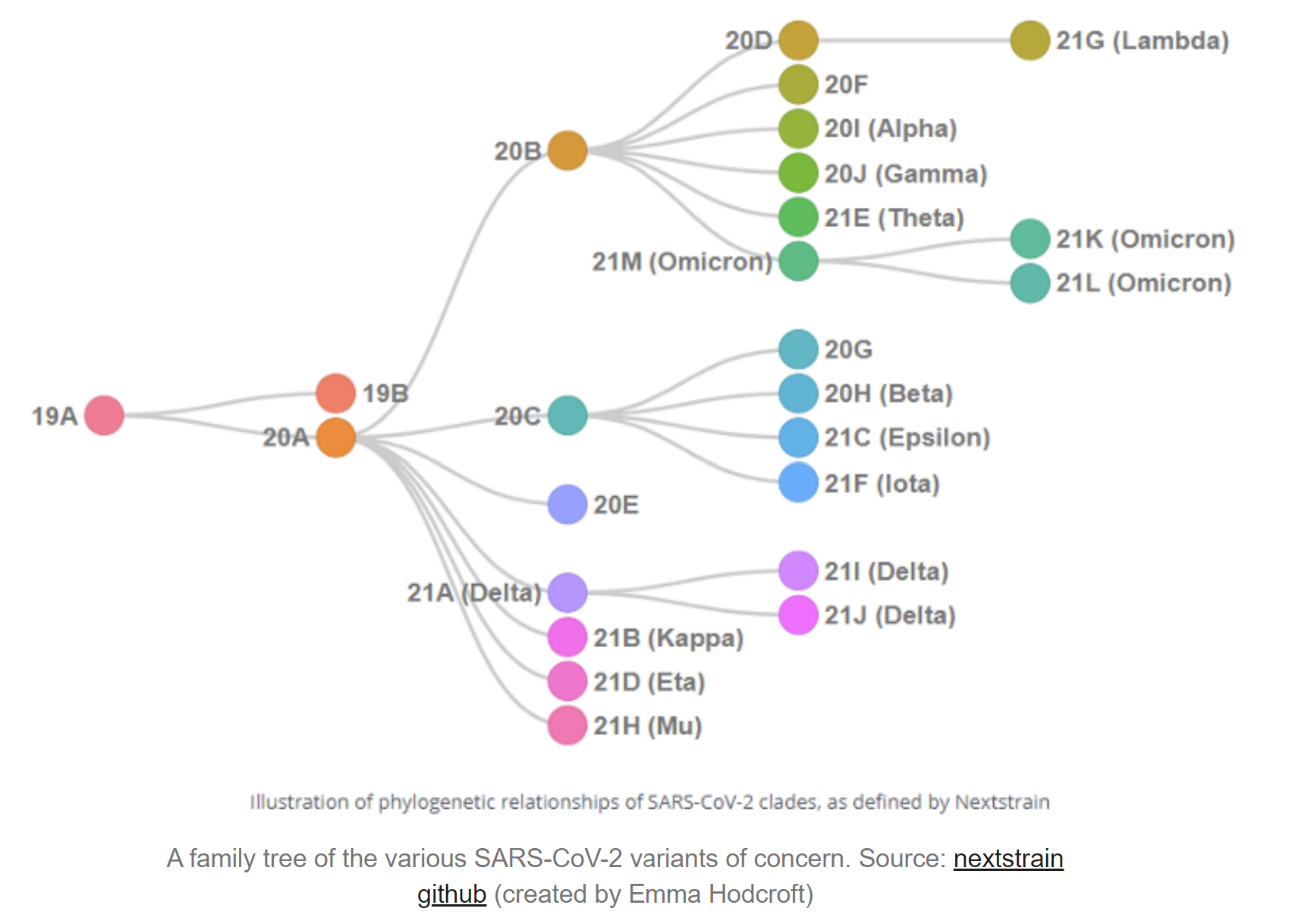
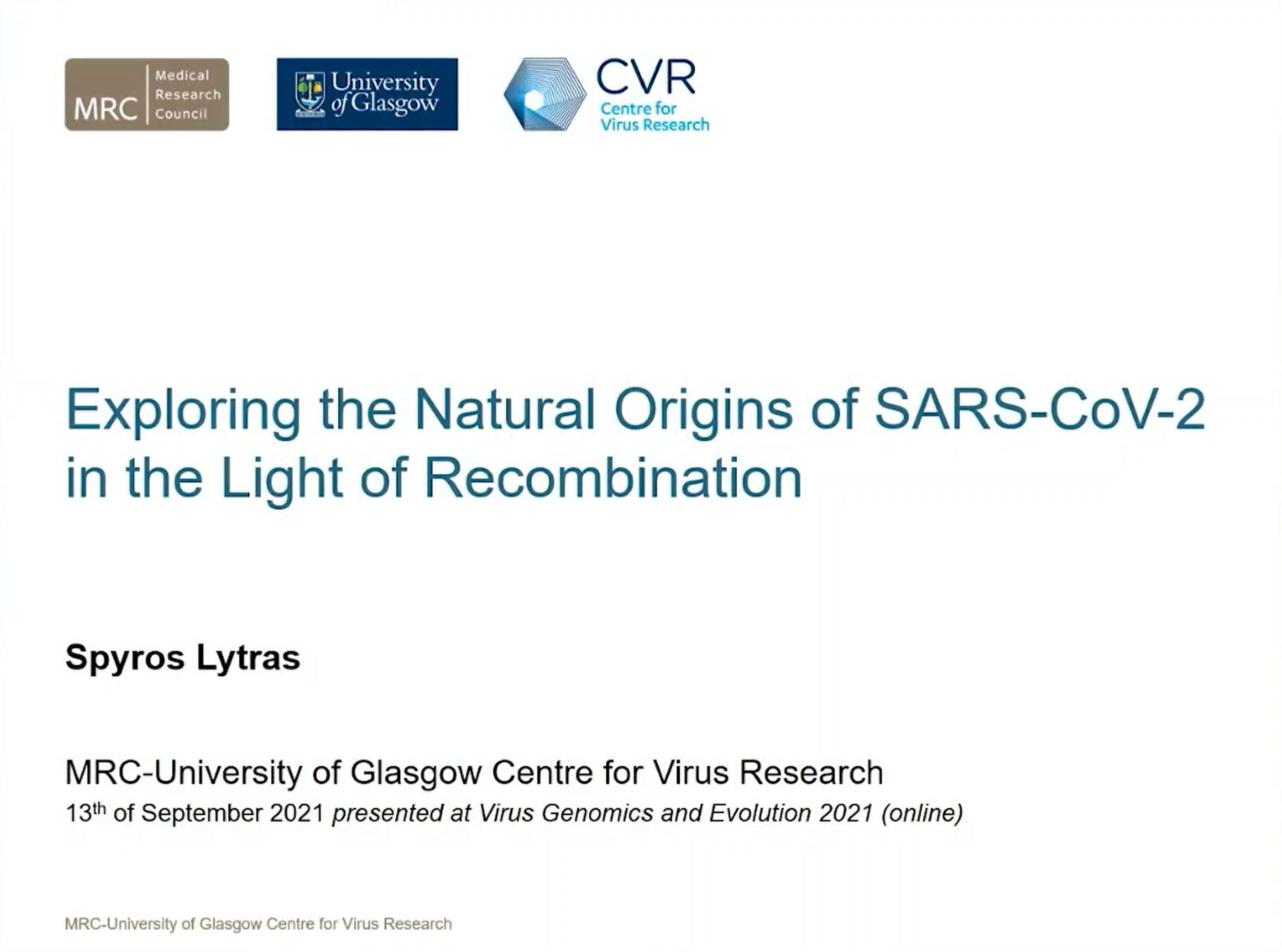
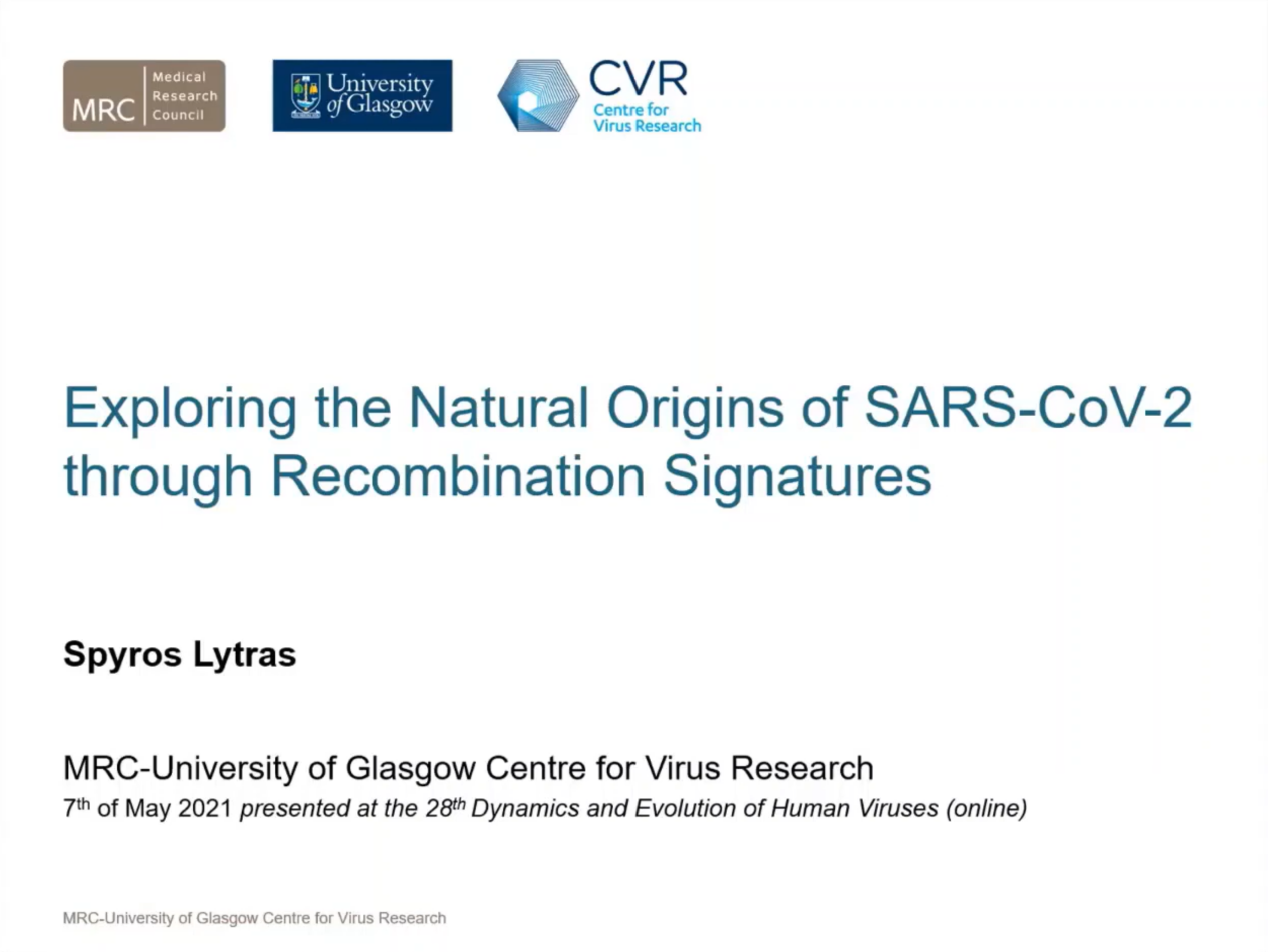
Understanding the origins of the COVID-19 pandemic will help us to stop coronavirus pandemics from happening in the future. Have a watch of my short interview and our animated video explaining how we study the evolutionary history and likely origins of SARS-CoV-2 and its relative coronaviruses.
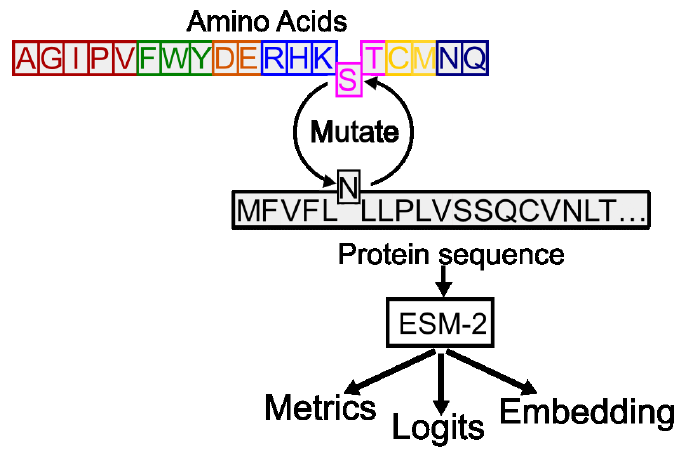
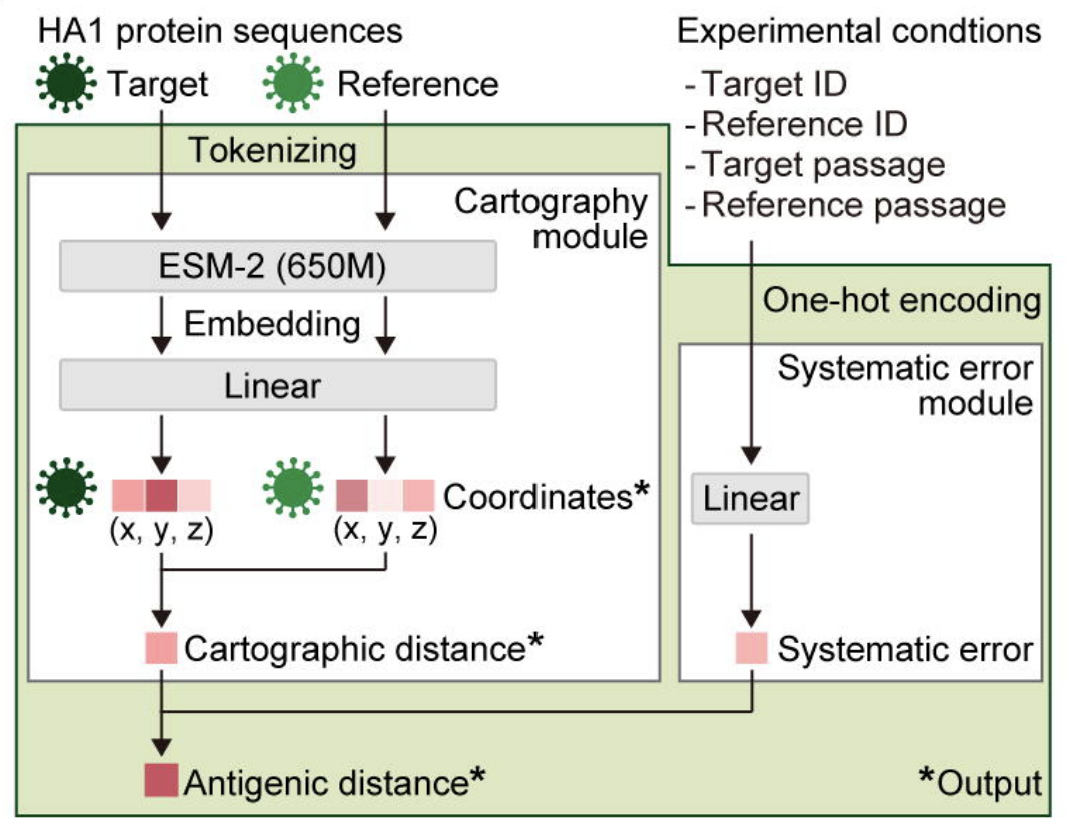
The plm_entropy Python3 package can be used for embedding sequences though ESM-2 and protT5 based models and calculating pLM entropy, a protein language model-based metric to assess protein site conservation and variability, along with a number of helper functions
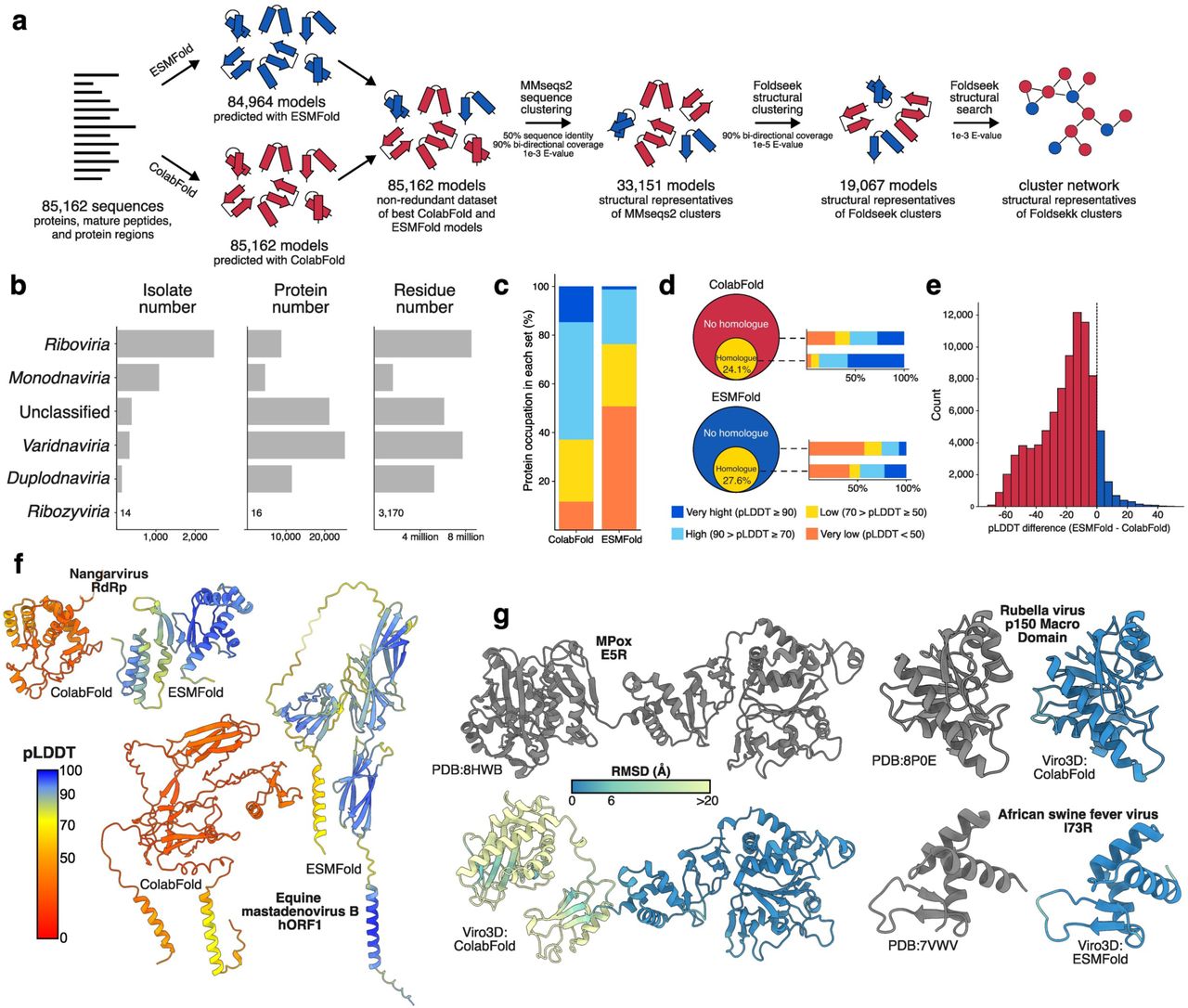
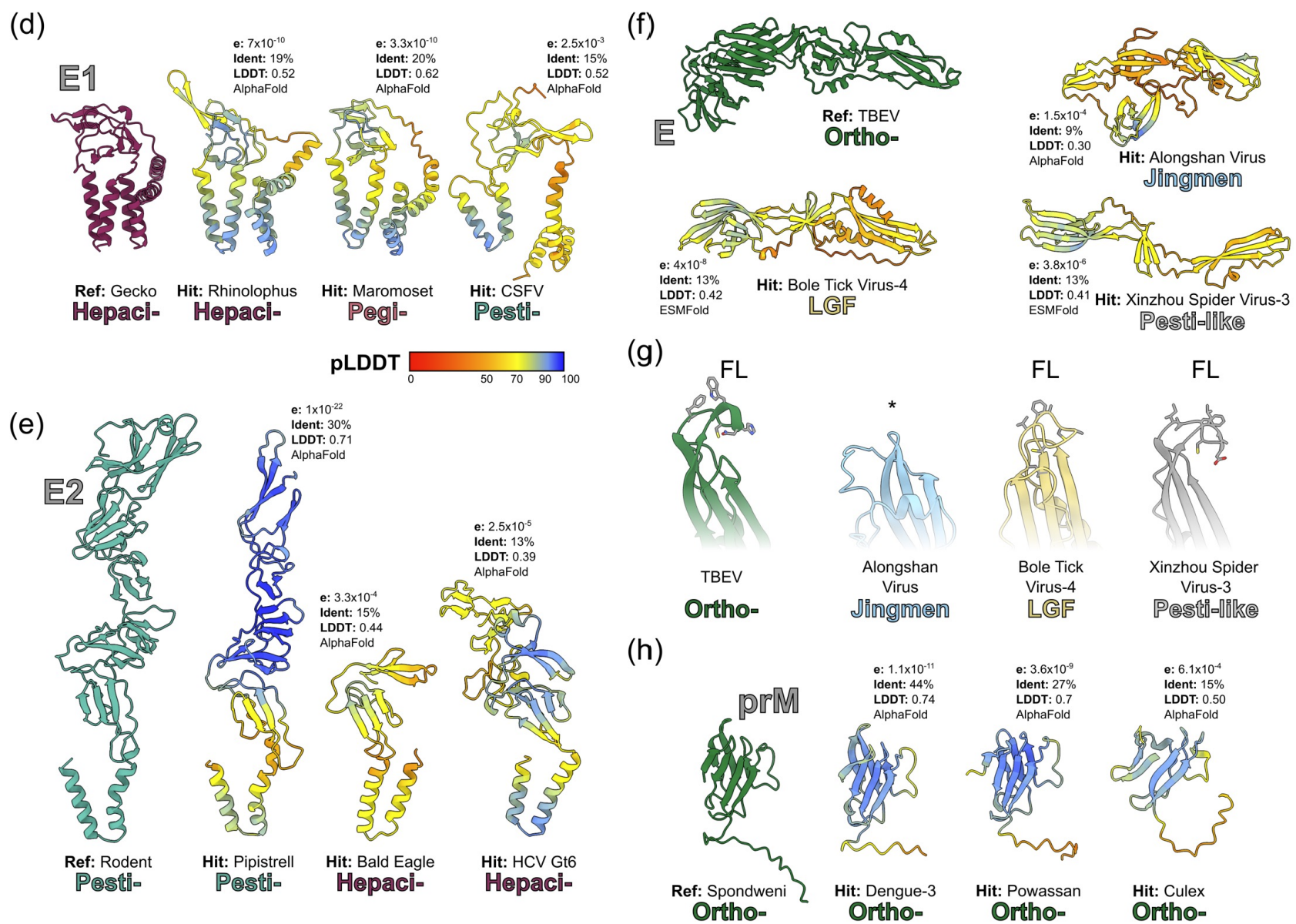
Viro3D is a comprehensive, searchable and browsable database of viral protein structure predictions, containing over 85,000 structural models from more than 4,400 human and animal viruses. The database is designed to support fundamental research into viral protein structure, function, and evolution, as well as to explore the contribution of viruses to overall protein structure diversity.
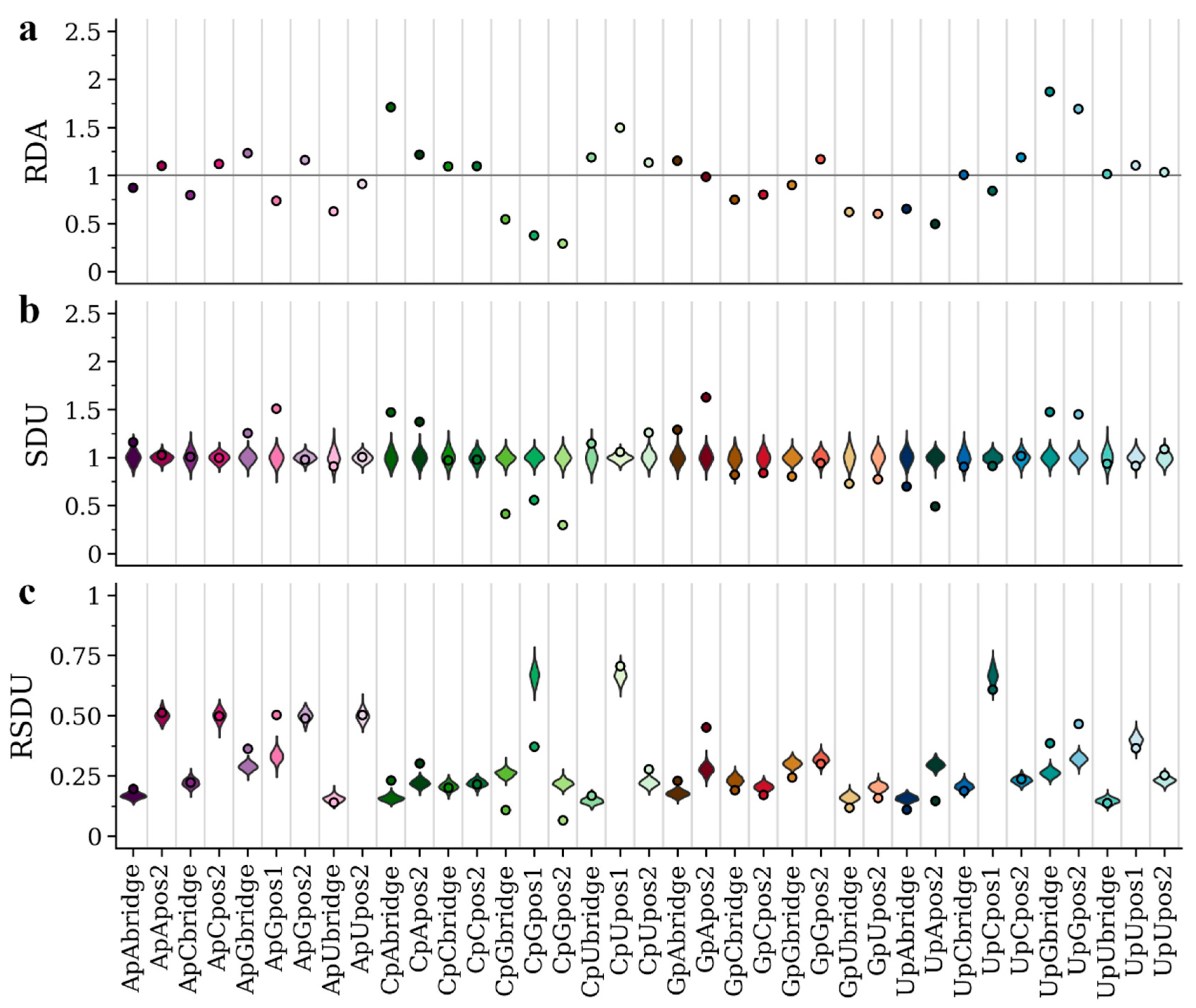
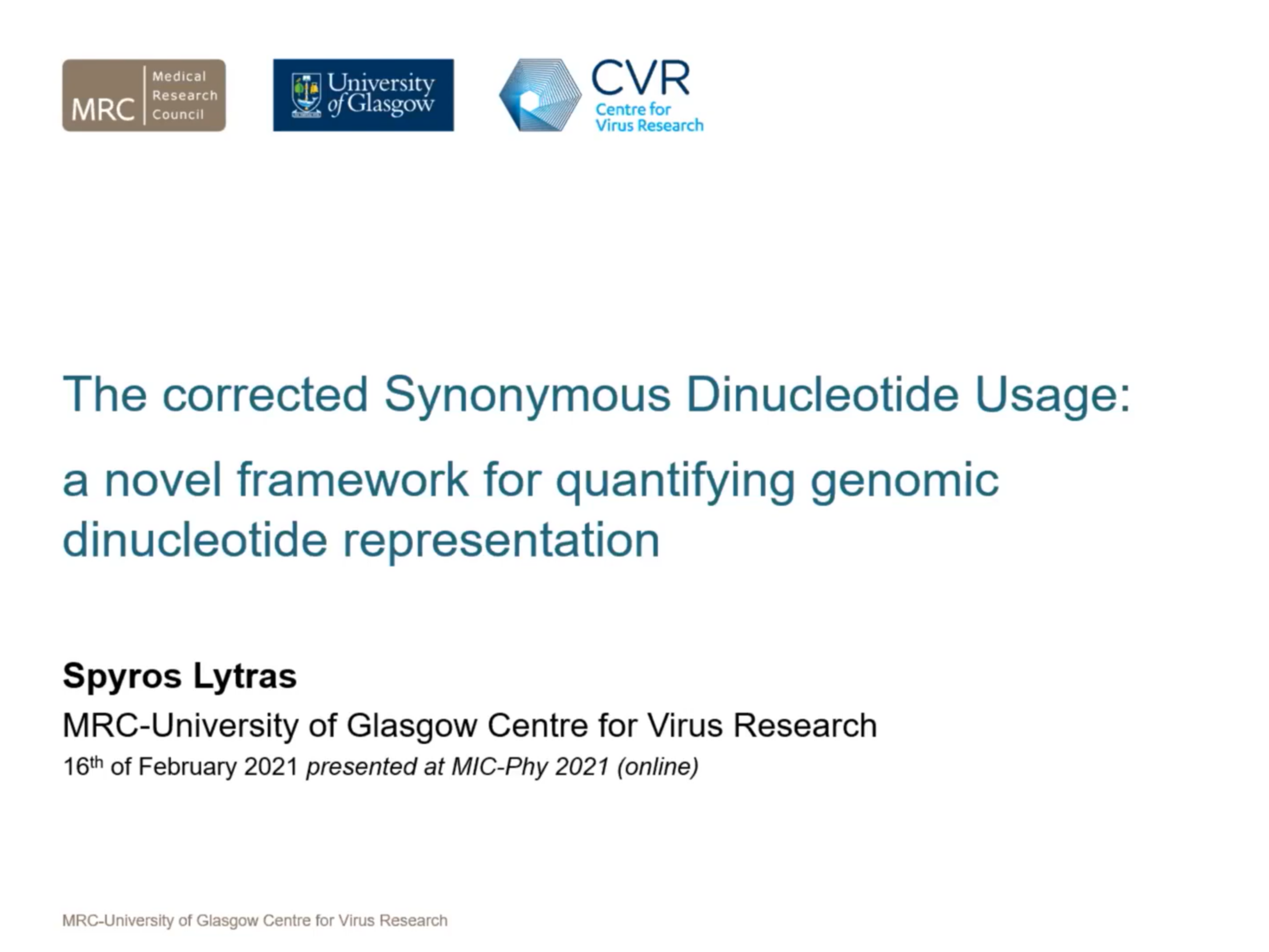
The DinuQ (Dinucleotide Quantification) Python3 package provides a range of metrics for quantifying nucleotide, dinucleotide representation and synonymous codon usage in a DNA/RNA sequence. These include the recently developed corrected Synonymous Dinucleotide Usage (SDUc) and corrected Relative Synonymous Dinucleotide Usage (RSDUc).